Menu
Plan my trip
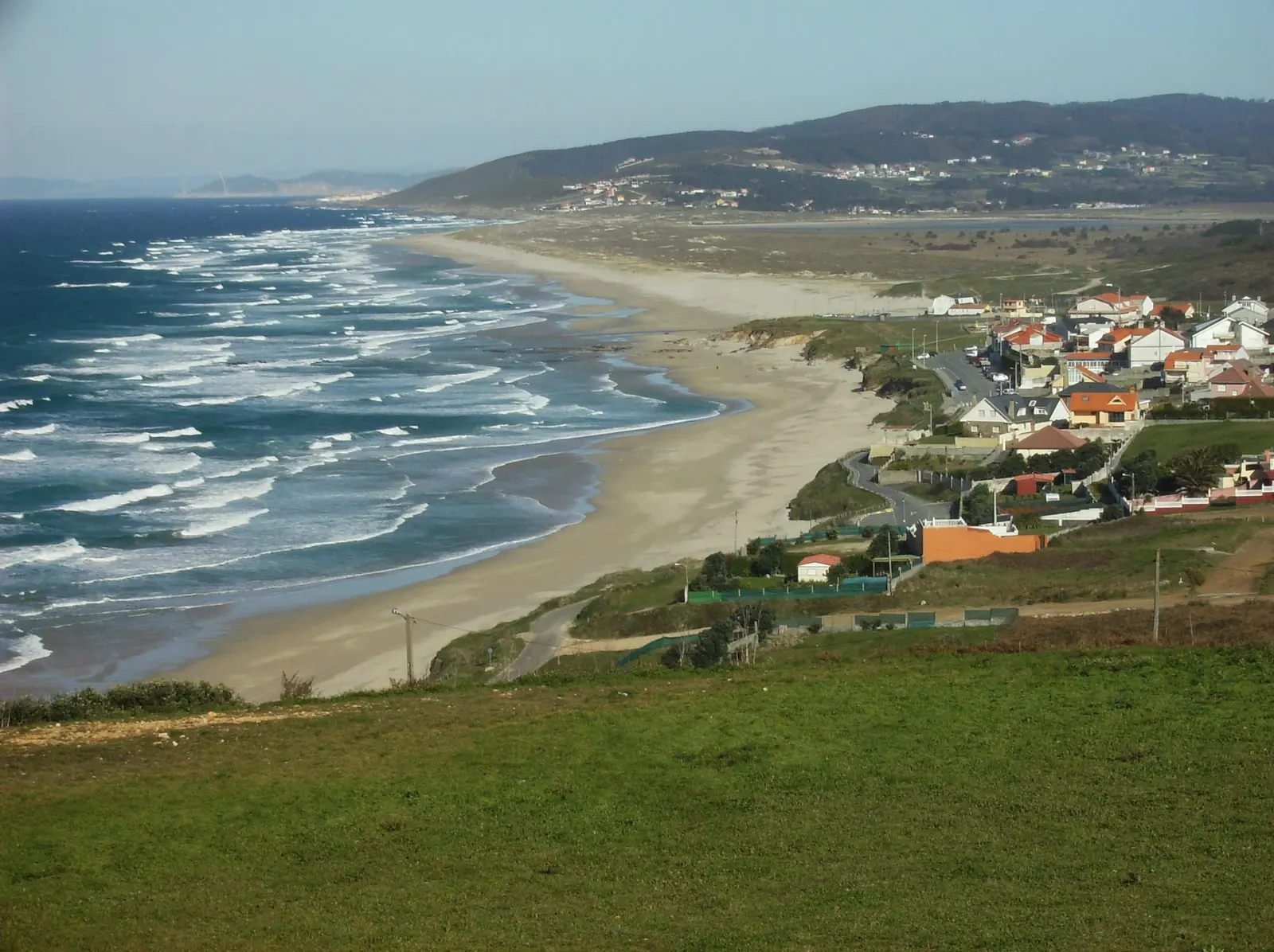
Lines of swell reaching Razo beach on Galicia's Costa da Morte

Spain surf guide

Surfing Costa da Morte

Wild, empty, storm-battered Atlantic coast

2 waves · Best Sep-Apr · Beginner, Intermediate, Advanced · From $36 a day

Photo: Alonzorodriguez, CC BY-SA 3.0

Spain's wild, rain-lashed north-west corner, sitting fully open to the North Atlantic with a swell window few coastlines can match. Galicia stays genuinely uncrowded even on a great day, with rugged rías, Celtic-tinged culture, and beach breaks that stay quiet even on good days.

LevelsBeginner, Intermediate, Advanced
Best seasonSep-Apr
RegionGalicia
Daily budget$36–165
Nearest airportLCG

The waves at Costa da Morte

RazoIntermediate / Advanced

Beach Break · Best Sep-Apr · 2-8 ft · Crowd 1/5

Open Atlantic swell

Razo is a long, open beach on the Costa da Morte in Galicia, facing straight into North Atlantic swell. Its peaks are powerful and can get big quickly when a storm system arrives.

It rarely goes flat, but it can turn heavy and messy fast. The dunes and lack of buildings make it feel remote. The water is cold, so bring a thick wetsuit. It suits confident intermediate surfers and up.

It's best in autumn and spring, when the swells are big enough without the worst of the winter storms. The beach has surf schools and a surf camp nearby, and the village of Razo has a few places to stay. The currents are strong when it's big.

Full guide to Razo
MalpicaBeginner / Intermediate

Beach Break · Best Sep-Apr · 1-6 ft · Crowd 1/5

NW swell, S offshore wind, mid tide

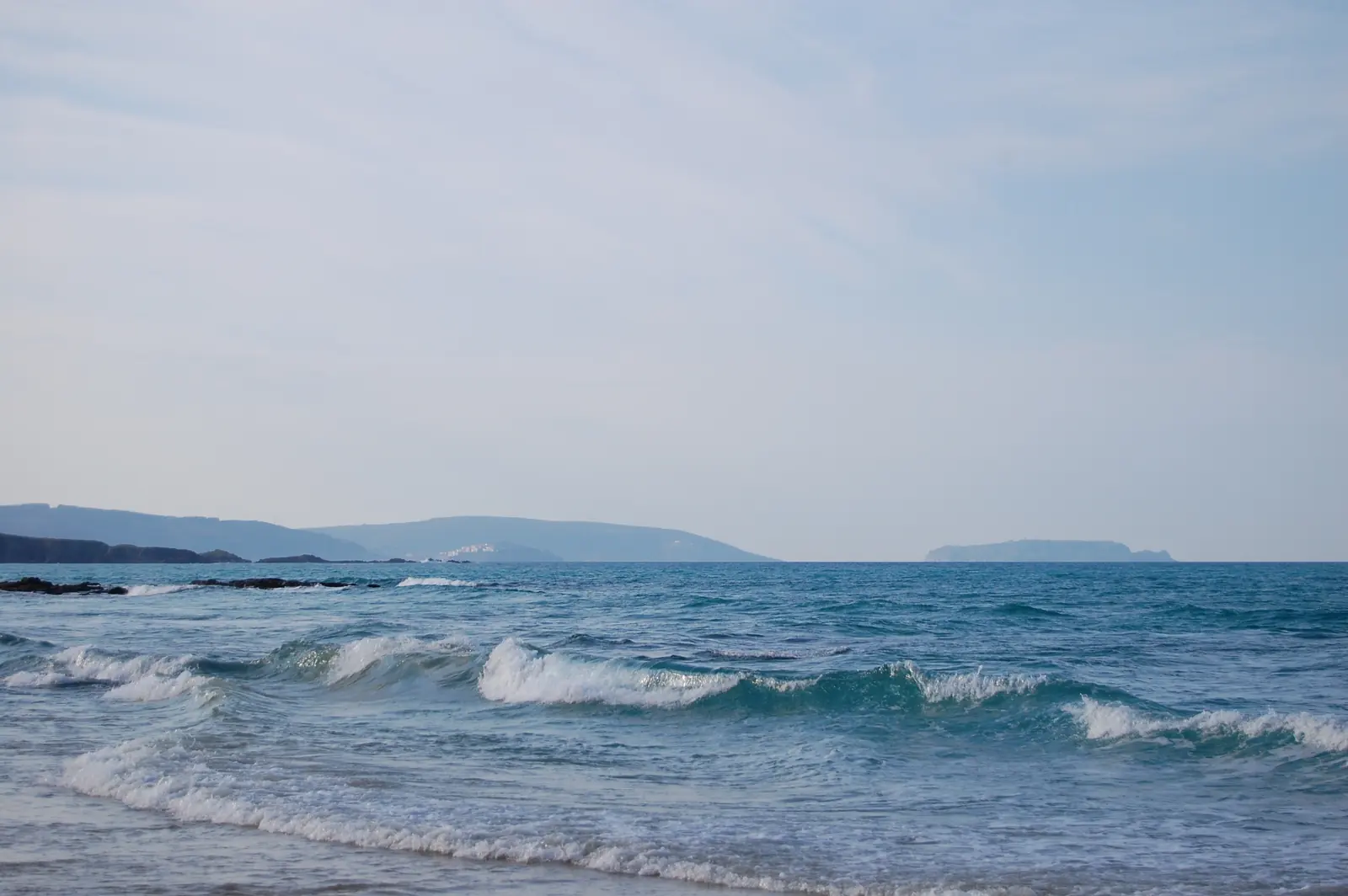
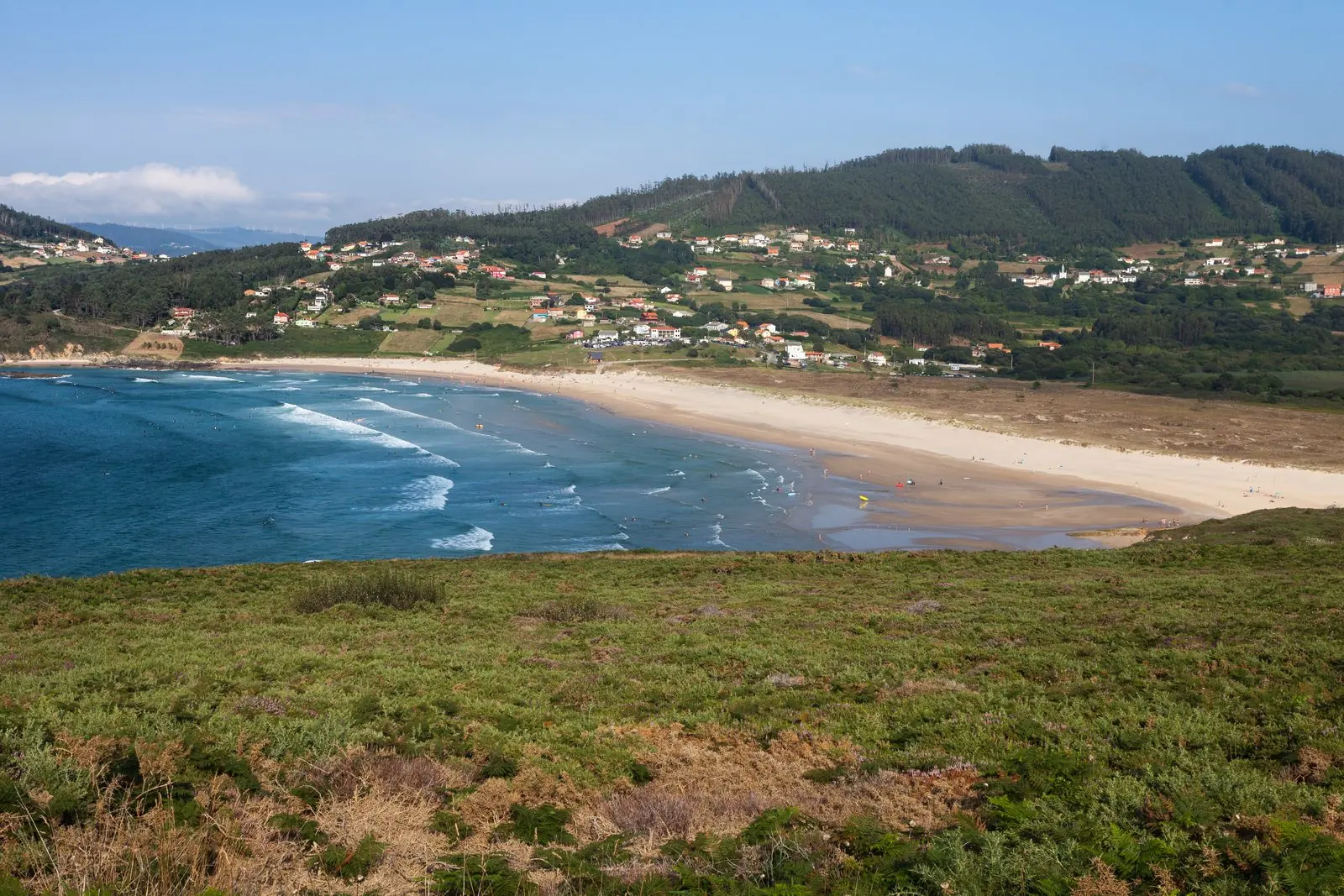
Malpica is a fishing village on the Costa da Morte, and its main beach, Area Maior, sits right next to the harbour. It faces north and takes the north-west swell.

The waves are peaks over sand, best around mid tide with a southerly wind. It's rarely crowded, and it's a good place to surf when the open beaches further west are too big.

It's at its best from autumn to spring on a north-west swell with a southerly wind. Malpica is a working fishing village with seafood restaurants by the harbour, and the Sisargas islands are just offshore. Razo, to the west, picks up more swell when Malpica is small.

Full guide to Malpica

Where to stay in Costa da Morte

Malpica and Razo are small fishing villages with simple guesthouses, rural houses and apartments, and a few campsites near the beaches. Carballo, a little inland, has more hotels. Book ahead in July and August; the rest of the year it's easy to find a room.

Surf camps in Costa da Morte

We are adding local camps we trust to this page. Run a surf camp or surf house here? We would like to hear from you.

Before
you go

Book ahead

Easy to book last-minute nearly year-round, Galicia rarely fills up the way the Basque coast or Canaries do.

The water

Water is cold year-round, a good 4/3mm suit is needed most of the year. Strong Atlantic swell and rips demand real respect at the more exposed beaches.

Who it suits

Weather changes fast on this coast, so check the forecast carefully before heading to a remote spot.

Money

Cards work in towns; carry cash for small rural villages.

Best time to surf Costa da Morte

Costa da Morte works best around Sep-Apr.

JanFebMarAprMayJunJulAugSepOctNovDec
PrimeGoodQuiet

Portugal or Spain? Compared for surfing

France or Spain? Compared for surfing

Getting to Costa da Morte

A Coruña (LCG) and Santiago (SCQ) are the main airports, with the surf coast a short to medium drive from either.

A Coruña (LCG) + rental car

$25-40/day

A car is essential, Galicia's best breaks are spread along a rugged, indented coastline with limited public transport. Roads wind through rías and villages, so allow extra driving time.

Regional bus

$3-8

Regional buses link Ferrol with Valdoviño and A Coruña with Malpica and the Costa da Morte villages. There are few services, so a car makes it much easier to move between beaches.

Beyond the surf

Costa da Morte cliffs

Nature

Wild, storm-battered coastline named for its history of shipwrecks, dramatic and largely empty.