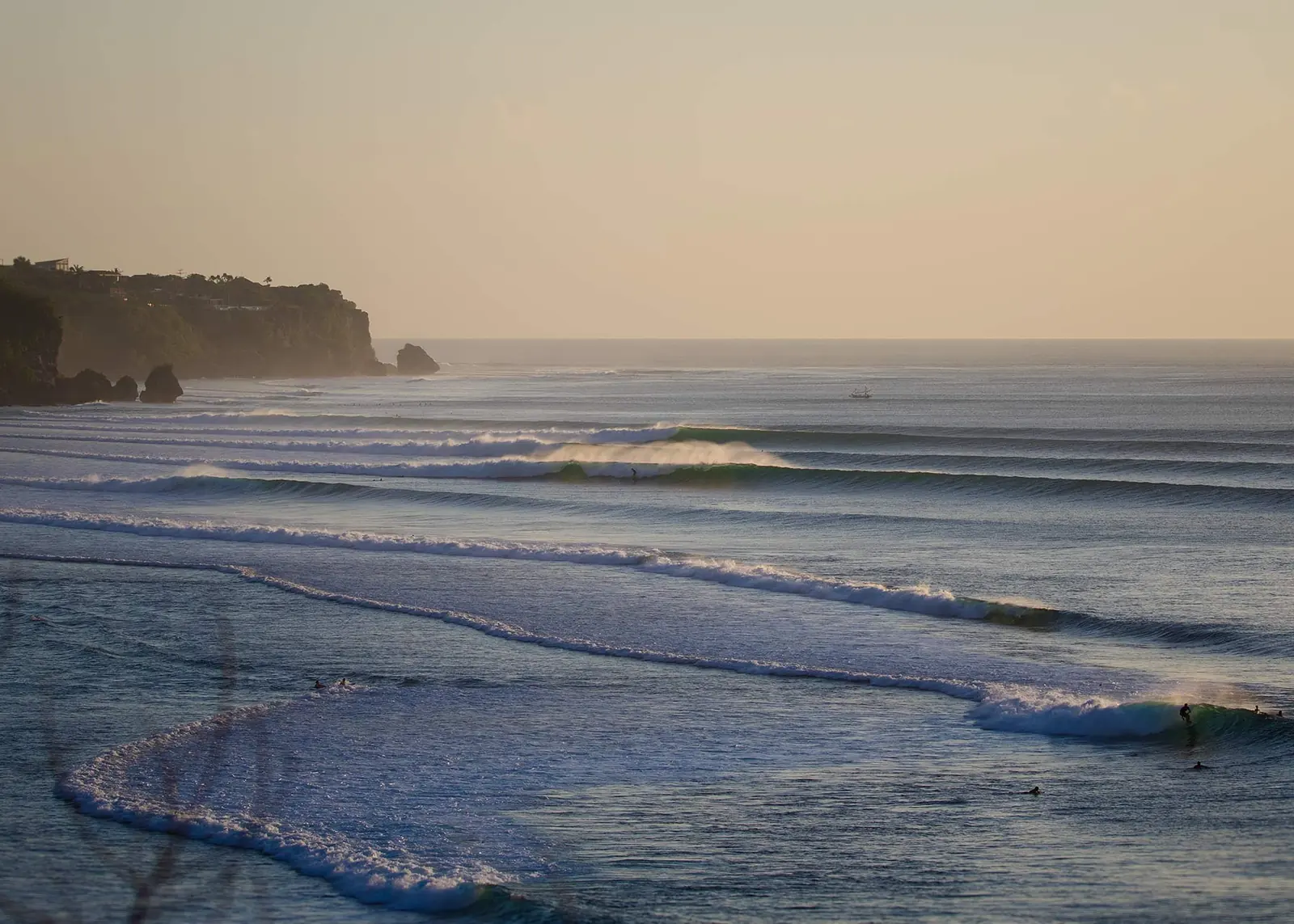
You don't need a famous wave to learn. You need a sandy beach, small and regular waves, a surf school nearby and water you can stay in for a couple of hours. These are the places in the seven countries we cover where that is easiest, with the zones we would pick and why.
Portugal
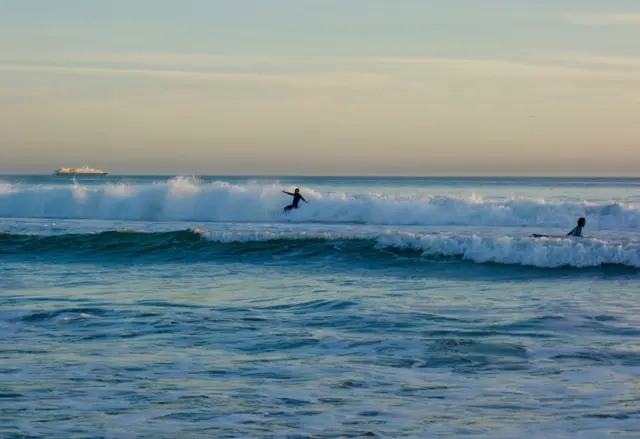
Portugal is one of the easiest places in Europe to learn. There are surf schools on almost every beach, flights are cheap, and from May to September the swell is smaller and the water is at its warmest. In winter the waves on most of the west coast are too big for a first lesson.
Lisbon Coast
Carcavelos is the classic first beach for anyone in Lisbon: a sandy beach a short train ride from the city, with schools along the promenade. Across the river, Costa da Caparica has kilometres of sand and room for everyone, and further north Baleal, by Peniche, has a sheltered side that stays small when the rest of the coast is too big. Staying in Lisbon means you can surf in the morning and see the city in the afternoon.
The Algarve
The Algarve has two coasts, and that is what makes it good for beginners. When the west-facing beaches like Amado or Monte Clérigo are too big, the south-facing ones around Lagos, such as Meia Praia, are usually small and calm. Sagres sits between the two, with schools that drive to whichever side is working. It's the sunniest part of Portugal, although the water is never really warm.
Spain
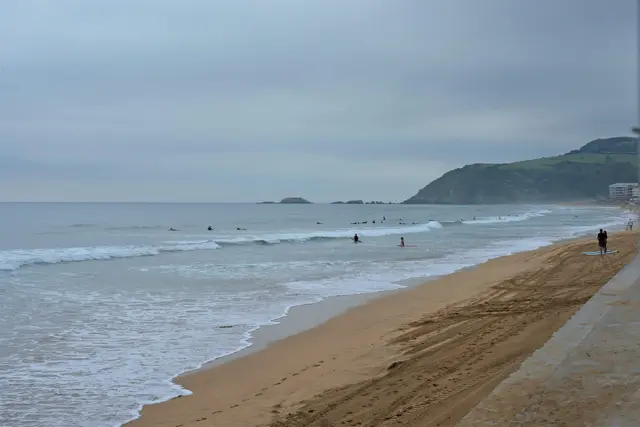
Northern Spain is a summer place to learn. From June to September the Bay of Biscay goes small and the beaches fill with surf schools. In winter the swell is big and the water cold, and the Canary Islands are the better choice.
Basque Country
Zarautz is the longest beach in the Basque Country and one of the busiest places to learn in Spain, with schools all along the seafront. In San Sebastián, Zurriola is a city beach where beginners share the water with locals, and near Bilbao, Sopelana and La Arena have gentle waves in summer. Good food is never far away.
Cantabria
Somo, across the bay from Santander, is a surf village built around learning: a long sandy beach, schools and hostels next to the sand, and a passenger boat to the city. The bay shelters it a little, so it's often smaller and cleaner than the open beaches further west.
Lanzarote
Famara, a long beach below the cliffs in the north of Lanzarote, is where most people learn on the island, and it has waves all year. It's the place to go in winter, when the north of Spain is too cold and too big. It's often windy, so mornings tend to be cleaner.
Morocco
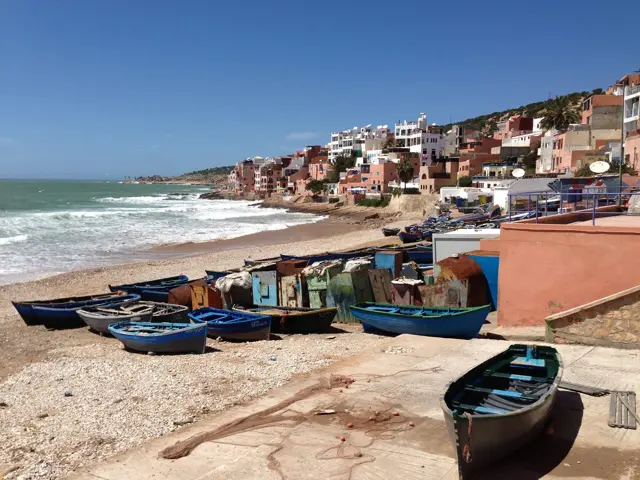
Morocco is the winter option. From October to April the water is warmer than in most of Europe, it's sunny most days and a week costs little. The famous points are for experienced surfers, but the beaches next to them have small waves and plenty of schools.
Taghazout & Imsouane
Most surf camps in Morocco are around Taghazout and Tamraght, and most beginners learn at Banana Beach, Devil's Rock or Tamraght beach, a few minutes' drive away. Further north, the bay at Imsouane has one of the longest and gentlest waves in the country, a good next step once you can stand up and ride along the wave.
Essaouira
Essaouira is a walled old town with a wide beach, but the wind blows most afternoons, so it's better known for kitesurfing. Sidi Kaouki, a small village on a long beach to the south, is the quieter place to learn if you'd rather avoid the busier Taghazout area.
France
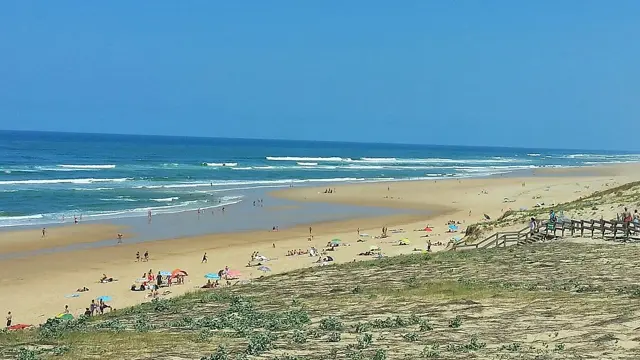
In France you learn in summer, from June to September, on the long sandy beaches of the Atlantic coast, with lifeguards on the main beaches. In winter the swell is too big and too cold for beginners.
Landes (Hossegor)
Hossegor is famous for heavy beach breaks, but in summer the waves are much smaller and the coast around it is full of surf schools. Capbreton next door, and Messanges and Moliets further north, are quieter. Pine forest, campsites and cycle paths make it an easy summer trip.
Côte Basque
Biarritz is where surfing started in France. La Grande Plage and the Côte des Basques, right below the town, are the classic places for a first lesson, and Hendaye, on the Spanish border, has a long, gentle beach that is one of the easiest in the region.
Indonesia
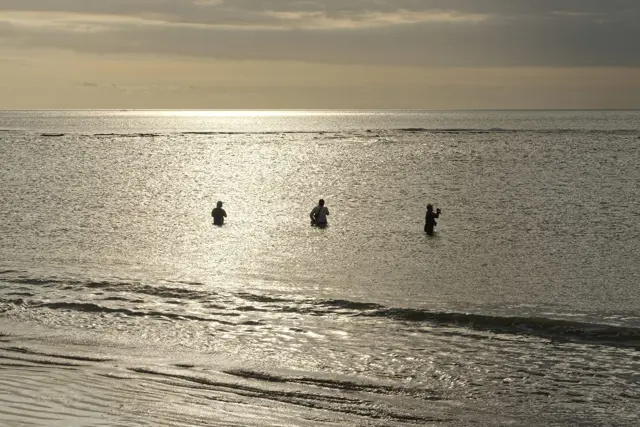
Indonesia is famous for shallow reefs, which are not for beginners, but Bali and Lombok have a few sandy beaches and softer waves where thousands of people learn every year. The dry season, from April to October, has the best weather.
Bali
Kuta Beach is where most people stand up for the first time: busy, but the waves are soft and the bottom is sand. Canggu, up the coast, has more surf camps and a friendly wave at Batu Bolong, with longboarders and lessons all day.
Lombok
Lombok is quieter than Bali. Around Kuta Lombok, Tanjung A'an has a beach break, and inside Gerupuk bay the waves are softer and you reach them by boat. It's a good place to keep learning without Bali's crowds.
Costa Rica
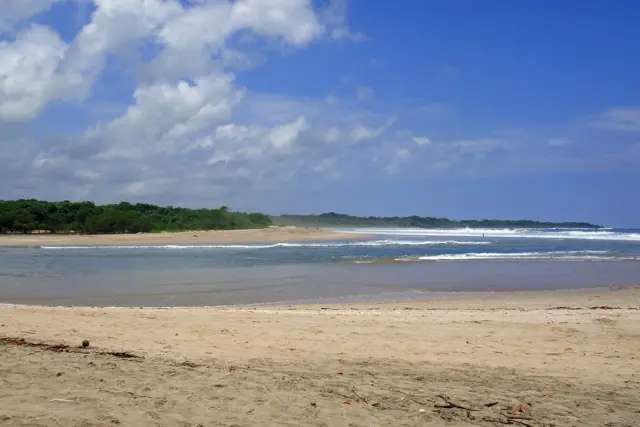
Costa Rica is one of the easiest countries to learn in: warm water all year, mostly sandy beaches and waves in every month. Go to Guanacaste and the Nicoya Peninsula from December to April, and to the central and southern Pacific from May to November.
Guanacaste
Tamarindo is a beach town built around surfing, with schools along the sand and small waves for most of the dry season. Nosara and Playa Guiones, further south, are quieter, with a long beach and a relaxed pace.
Golfo de Nicoya
Santa Teresa and Playa Carmen are sandy beach breaks with schools and plenty of places to stay. On the mainland side, Jacó is a busy town less than two hours from San José, the closest place to learn from the capital.
Panama
Panama is better known for reefs and points, but both of its coasts have friendly waves for learning.
West Panamá Province
The beaches west of Panama City, around Rio Mar, get small, regular surf from April to October and are about an hour and a half by car from the capital.
Bocas del Toro
In Bocas del Toro, on the Caribbean side, the months to learn are December to March. Lessons are on the gentler beaches around Isla Colón, and the islands are an easy place to spend a week or two.